
It hit me between the oat milk and the probiotic yoghurts, and moments of clarity like that are never as innocent as they feel. I stood in the shop, blinking through a brain fog that had lasted a year, trying to remember what I had come for, and I reached for cheese. Not because I needed cheese, but because it was solid and ordinary.
The obvious complaint is the wrong one and it goes: the wellness industry preys on our insecurities and sells us cures we do not need, and if we saw through the marketing we would be free. It is a comfortable complaint, comfortable because it leaves the system untouched. The problem is that the promise is more or less sincere. Drink more water, which is a very sound advice. The supplement named after a lunar cycle may even do something small and real. The trap is that there is a promise at all.
Consider what I was doing when I typed “perimenopause” into the search bar for the twentieth time that month. I was not looking for information. I had the information. I was doing the thing a seeker does, staying on the way to get somewhere, and the search gave me back exactly what that requires: protein, protein, protein, and never once the thing I actually wanted to know, which was when it ends.
The old authority said obey, renounce, deny yourself, and its prohibitions were easy enough to break. The new authority is harder to disobey. It says heal, get well, get better. It says realize your potential, do the work, arrive at your higher self. Who could be against that? That is why it is dangerous. You can’t refuse an order to flourish without becoming the one thing the culture will not tolerate, a woman content to stay as she is.
Look at the demands themselves: the call to be soft, but fierce. To be open, but not too open. Process your trauma, but make it inspirational, and make it useful. The demands contradict each other, and that is how it works. An impossible instruction is the most effective instruction, because it can never be met, so it never lets you go. You will always owe more work.
So where is this point of arrival? There isn’t one, and it was never meant to be there. The point of arrival is what keeps you buying the ticket. If you arrived, the industry that sells the journey would close by morning. Your not-arriving is the product. Being visibly in progress, permanently, is what gets sold back to you, because there is status now in the trying, in the openly displayed labour of self-improvement, and a woman who simply sat down and stopped would look like a failure. Or worse, like a provocation.
Which brings me, by an unflattering route, to why I built a retreat.
I would like to say it came from inspiration but it came from irritation (and probably from unruly hormones) after too many retreats where women told me they were tired of narrating their pain. Tired of being asked to find the gift in every loss, to turn the catastrophe into content, to be, at all hours, transforming, healing, becoming the divine feminine. What they wanted was not a better version of the journey. They wanted off the road.
Unmade Retreat is my attempt at a space where nothing needs to be solved or even named. I have to be honest about the danger in that, because the system is strongest exactly when it swallows its own opposition. Radical rest. The luxury of doing nothing. I can already see the phrase on a scented candle. The command to heal can reissue itself as the command to pause, and then the pause becomes one more thing you are doing wrong, one more higher self to fall short of, and it all starts again.
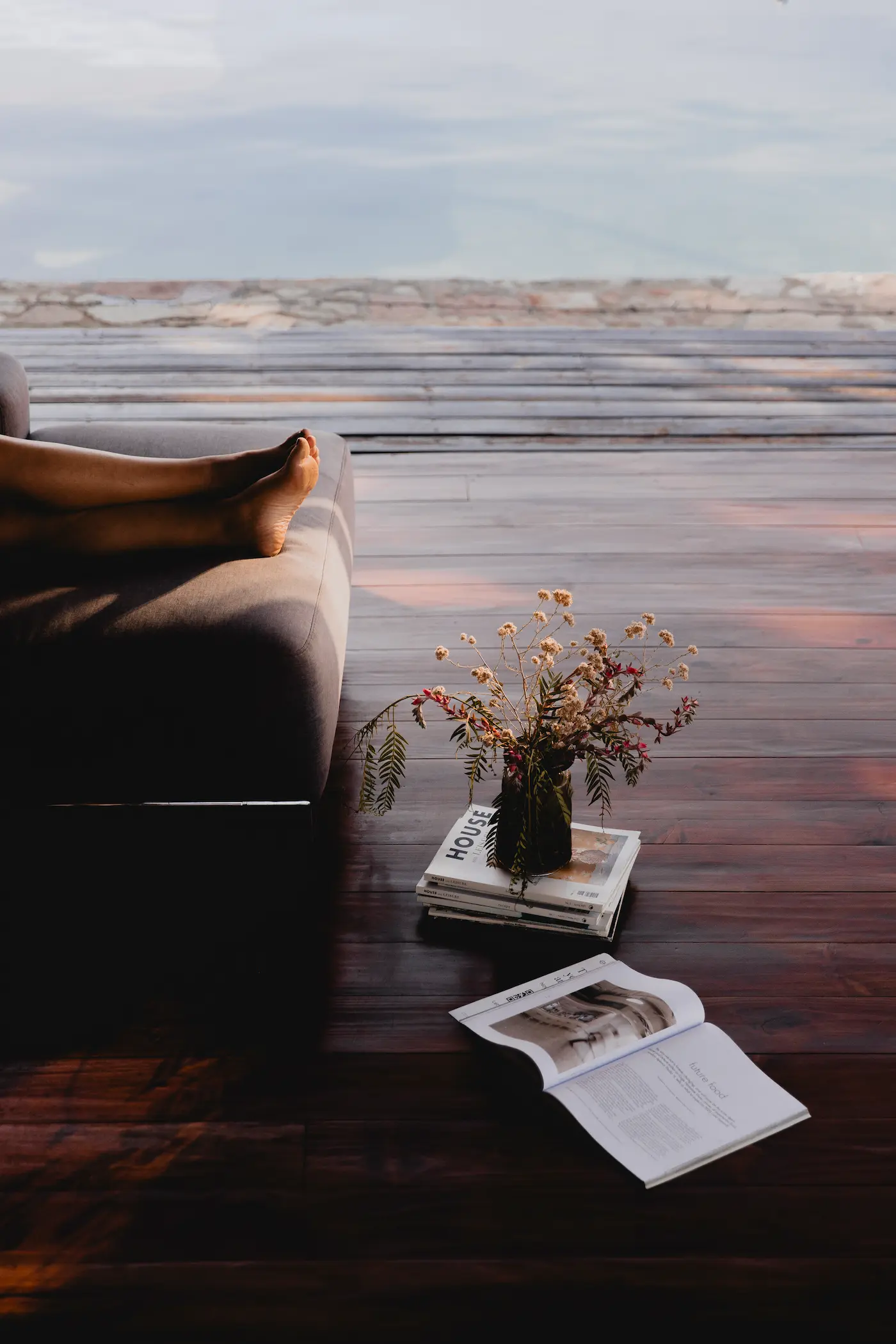
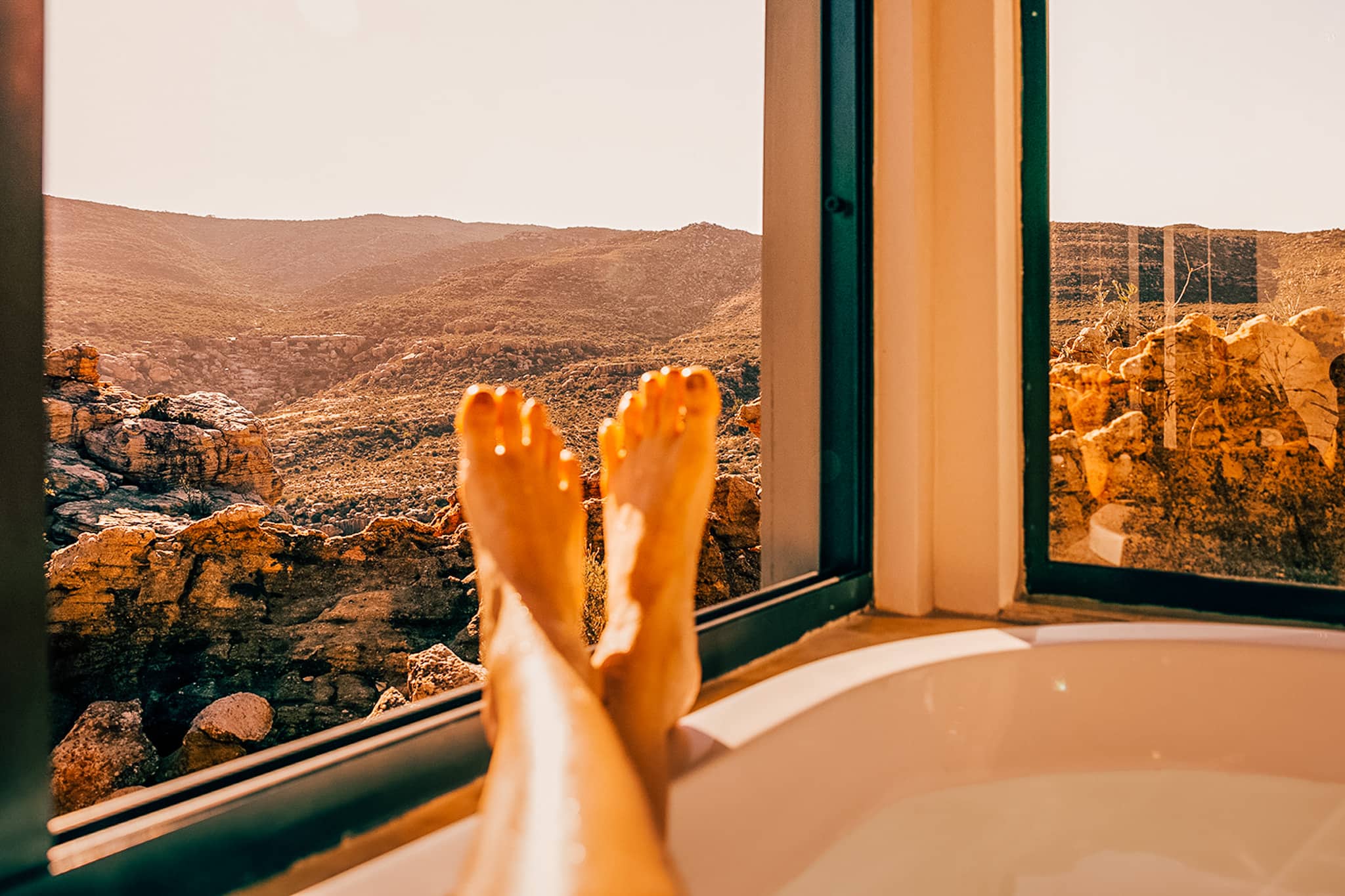
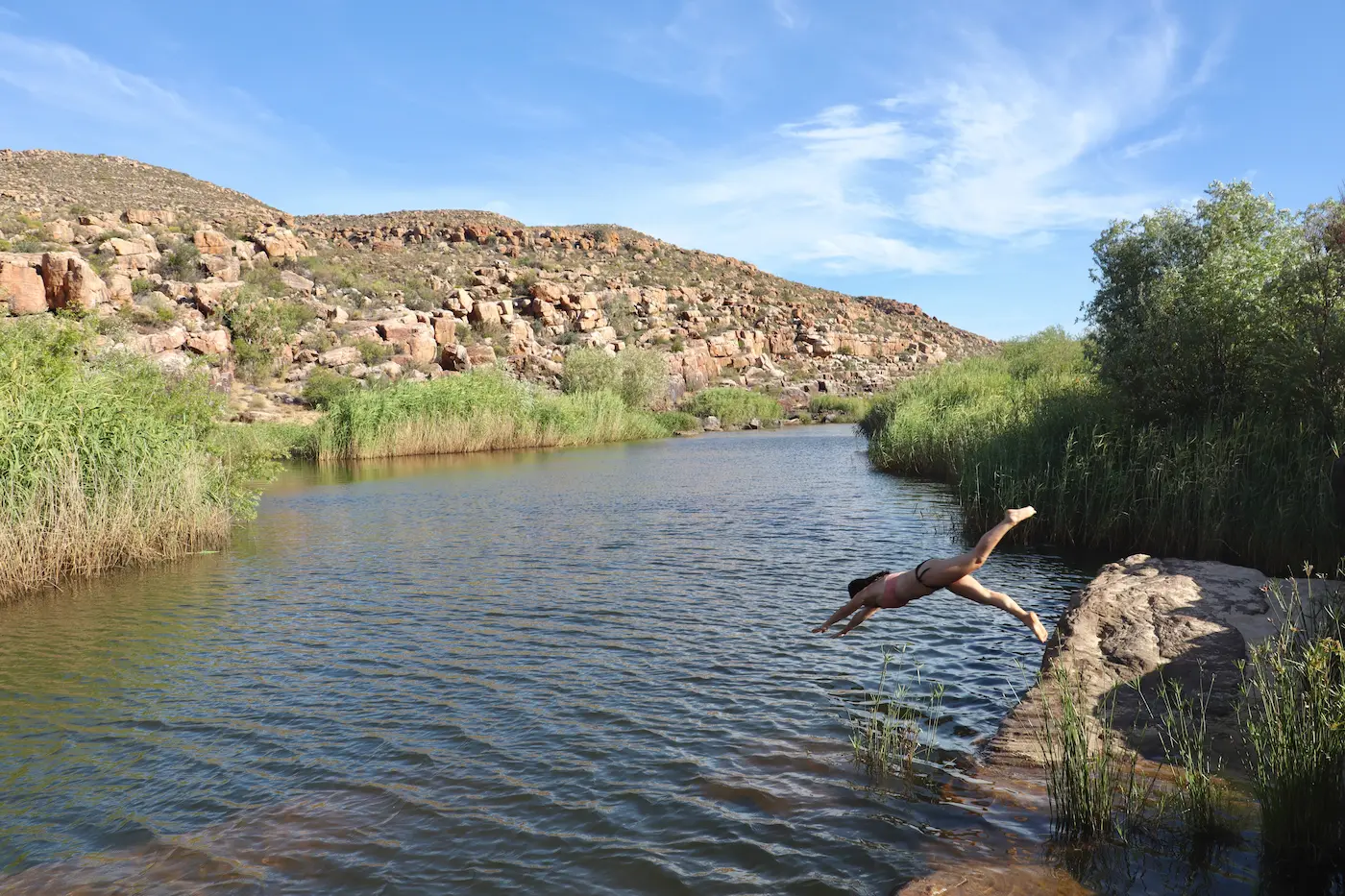
So the retreat cannot promise you an arrival, not even the fashionable arrival of stillness. What it offers is smaller. A place to walk. A place to sit and stare at firewood and drink tea with other women.
There is no grand finale here. That is not the disappointing part. That is the whole offer.