
We tend to treat a big decision like an exam. Somewhere among the options there is one correct answer, and if we could only gather enough information we would find it, so we gather more, and ask more people, and run the scenarios again, and lie awake grading ourselves in advance. Choose well and the life that follows will be right. Choose badly and it won’t. That’s the model, anyway. I’m not sure anyone actually believes it in daylight, but at three in the morning it’s very convincing.
There’s a saying I come back to when I catch myself doing this: don’t try to make the right decision, make the decision right. For years I thought it was a motivational poster. What it’s really saying, though, is that most of a decision’s quality gets built after the deciding, not before, which changes where the effort should go.
What the research says
There’s decent evidence for this. In a well-known experiment, the psychologists Daniel Gilbert and Jane Ebert had photography students choose one of their own prints to keep. For half of them the choice was final. The other half were told they could come back and swap it later, and here’s the part I find funny: the students were sure the swap option would make no difference, and nearly all of them wanted it. It made a difference. The ones who could still change their minds ended up liking their print less than the ones who couldn’t. As long as the door stayed open, some part of them kept standing in it, comparing. The ones with no option just got on with liking what they had.
Another study followed graduates job-hunting. The ones set on finding the best possible job did find better jobs, with higher salaries, and felt worse about them than the people who had settled for good enough. Which is worth sitting with for a moment.
The farm
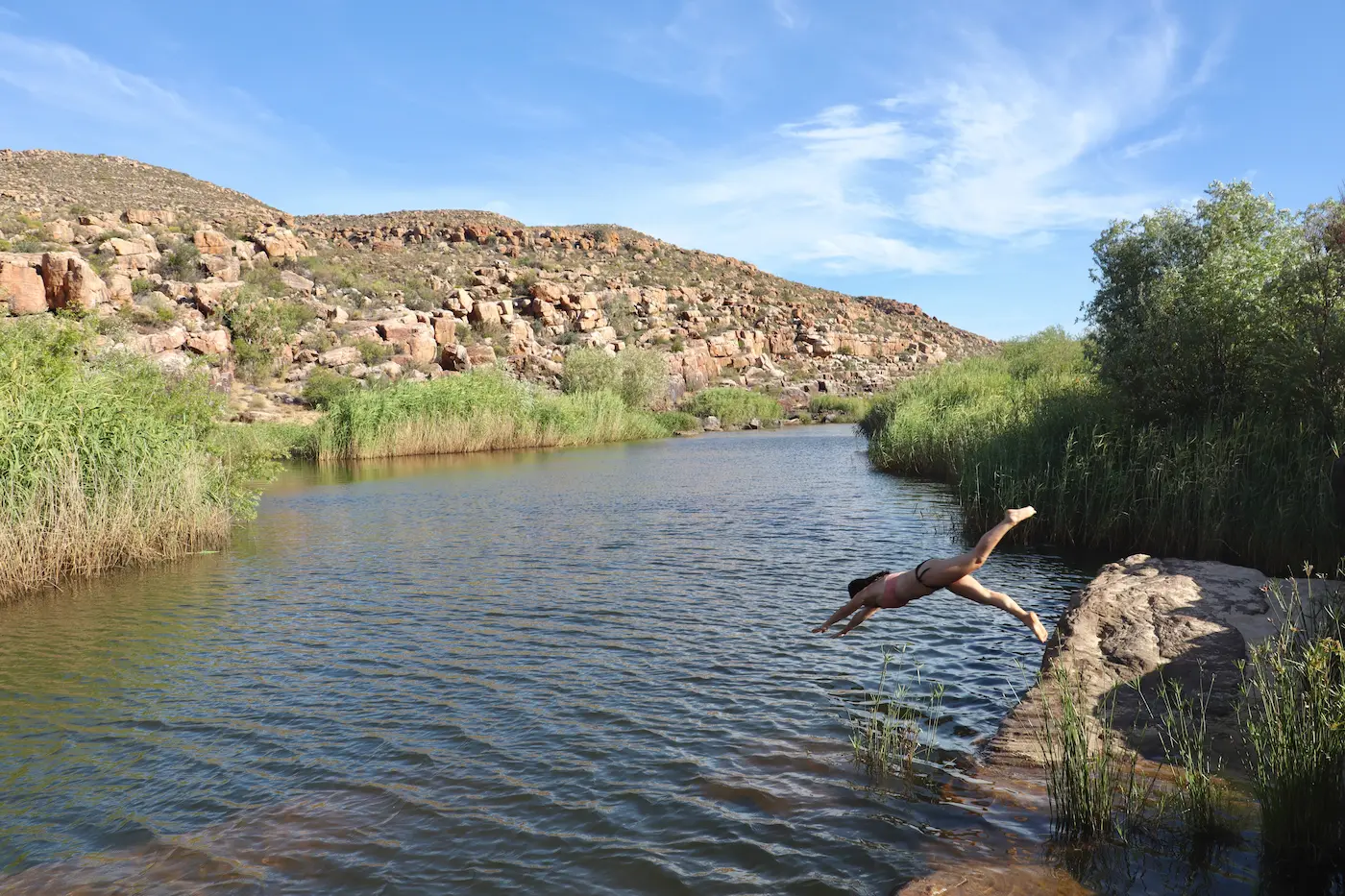
I know a bit about unpromising decisions. After twenty years of corporate career I chose a farm in the Cederberg with one cottage, no electricity, and forty minutes of dirt road before you reach a public one. Nobody weighing the options sensibly would have picked it, and I can’t honestly claim I knew something the spreadsheet didn’t. What I can say is that the decision wasn’t right on the day it was made. It got made right slowly, pipe by pipe and problem by problem, over that first year and every year since, and it is still being made right now, most weeks.
If you’re stuck
A few things help, in my experience. Write down the actual worst case, specifically, because fear prefers to stay vague and loses conviction when it has to commit to details. Check the options against your own values rather than against the best imaginable outcome, because in ten years the imaginary best will be gone and the values will still be there. And go easy on yourself, since you will sometimes choose wrong. Everyone does. The only reliable way to avoid it is to choose nothing, and that has costs too, usually larger and quieter.
The uncertainty doesn’t go away whichever you pick.